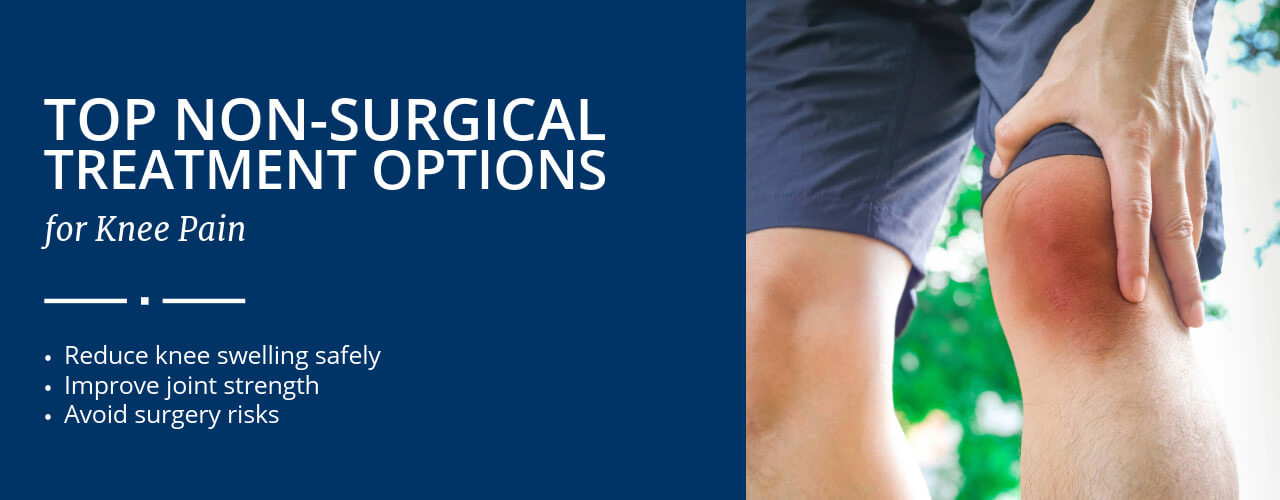
Knee pain is one of the most common reasons people seek help from a physical therapist. Whether it’s caused by an injury, arthritis, or overuse, this type of discomfort can interfere with everyday life. Even minor knee issues can make movement difficult, from walking and climbing stairs to staying active. Fortunately, you have many knee pain treatment options without resorting to surgery!
At [site-name], our physical therapists offer several techniques to reduce inflammation, improve strength, and restore mobility without downtime or surgical risks.
Why Knee Pain Happens: Common Causes and Risk Factors
The trick to effective knee pain management is understanding why you’re experiencing discomfort. Our team can then provide you with the right blend of techniques to meet your specific needs.
Here are some of the common causes of knee pain we see at our (town) clinic:
Overuse Injuries
- Develop due to repetitive movements
- Common in runners, laborers, and athletes.
Acute Injuries
- Occur as a result of sudden trauma
- Examples include ACL or severe meniscus tears
Osteoarthritis
- Degeneration of the knee’s cartilage that causes stiffness and swelling
Poor Biomechanics
- Places extra stress on the knees, leading to pain over time
- Examples include weak hips, poor posture, or flat feet
Effective Knee Pain Treatment Options: Physical Therapy That Works
Physical therapy is one of the most effective knee pain treatment options available for managing symptoms and improving joint function without surgery. Here are several techniques we might use based on your needs:
Manual Therapy
This approach involves a PT using their hands to mobilize joints and soft tissue. This technique can:
- Reduce swelling and stiffness
- Improve circulation and range of motion
- Ease tension in surrounding muscles
Modalities for Pain Relief
Several passive treatments can also ease pain and other discomfort, such as:
- Ice and heat therapy
- Electrical stimulation (TENS)
- Ultrasound therapy
These techniques can help prepare your knee for more active work.
Personalized Exercise Programs
Targeted exercises help restore movement and reduce pain by:
- Strengthening muscles around the knee, hip, and ankle
- Improving mobility and balance
- Correcting movement patterns that strain the knee
Your program will typically include a mix of low-impact strength training, stretching, and functional movement.
Neuromuscular Reeducation
Pain often causes people to change how they move, worsening symptoms. Neuromuscular reeducation helps:
- Restore natural joint alignment
- Retrain proper walking and bending mechanics
- Prevent future injury or strain
Frequently Asked Questions About Non-Surgical Knee Pain Treatment
How do I know if I need physical therapy or surgery?
Most people with knee pain can benefit from physical therapy first. Unless there’s a severe injury like a full ligament tear, non-surgical knee pain treatment options often improve symptoms and get your body ready for surgery if it’s still needed.
Will I need to stop being active during treatment?
In most cases, no. One thing we do is help you stay active in safe, modified ways that support healing.
How long does it take to see results?
Everyone is different, but many people start feeling better within 2 to 4 weeks of starting consistent physical therapy. However, it will typically take much longer for you to see full rehabilitation and a complete restoration of function.
What if I’ve already tried exercises at home?
A customized program from our physical therapists can target your specific condition, symptoms, and movement patterns. It’s more effective than general exercises found online. It’s also safer, as we can modify the exercises based on your needs.
Find Knee Pain Relief Without Surgery
If knee pain is slowing you down, don’t wait for it to get worse. At [site-name], our physical therapists use proven, non-surgical knee pain treatment options to help you move and feel better.
Contact us today to schedule an appointment at our [all-and-town] clinic and learn how physical therapy can help you take the next step toward lasting relief.