Are you struggling with the aftermath of an ACL injury? You're not alone. With over 200,000 cases reported annually in the United States, ACL injuries are unfortunately common among athletes and active individuals. Effective ACL injury rehabilitation protocols can significantly aid in your recovery journey. Physical therapy can be your guiding light if you're ready to take charge of your rehabilitation and get back on your feet. Contact our clinic at Resilient PT and Performance in Woodbury, MN today to learn more!
Unraveling ACL Injuries: Understanding its Causes and Symptoms
ACL, short for anterior cruciate ligament, is a crucial stabilizing ligament in the knee joint, prone to injury due to its vulnerability during sports activities.
Signs of an ACL Injury
Sudden Pain
- ACL injuries often manifest as a sudden onset of pain in the knee. This pain can range from mild discomfort to severe, sharp pain, depending on the severity of the injury.
Swelling
- Within hours of the injury, swelling around the knee joint is common. This swelling occurs due to the body's inflammatory response to the injury and can lead to stiffness and limited mobility.
Instability
- A feeling of instability or "giving way" in the knee is a hallmark sign of an ACL injury. Patients often report feeling like their knee can’t support their weight, especially during activities such as walking or pivoting.
Difficulty Bearing Weight
- ACL injuries can make it challenging to bear weight on the affected leg. Patients may experience difficulty walking or standing without experiencing pain or instability.
Causes of an ACL Tear
Sudden Changes in Direction
- ACL injuries frequently occur during sports activities that involve sudden changes in direction, such as basketball, soccer, or football. Abrupt stops, pivots, or twists can place significant stress on the ACL, leading to injury.
Improper Landing
- Incorrectly landing from a jump, with poor landing mechanics or onto uneven surfaces, can put excessive strain on the ACL and increase the risk of injury.
Direct Impact
- Direct impact to the knee, including a collision with another player or falling onto a hard surface, can cause an ACL tear. The impact can cause the ligament to tear or stretch beyond its capacity.
Overuse or Repetitive Stress
- While less common, ACL injuries can also occur due to overuse or repetitive stress on the knee joint. Athletes who participate in activities that involve repetitive jumping, cutting, or running may be at increased risk of ACL injury over time.
Pathways to Healing: Navigating ACL Injury Rehabilitation with Physical Therapy
Navigating the road to recovery after an ACL injury requires a comprehensive rehabilitation program tailored to the individual needs of each patient. Here are the typical treatment methods utilized in physical therapy for ACL injury rehabilitation.
Treatment Methods
Therapeutic Exercises
- Physical therapists design specific exercises to strengthen the muscles surrounding the knee joint, including the quadriceps, hamstrings, and calf muscles. These exercises help improve stability, range of motion, and function while reducing the risk of injury.
Manual Therapy
- Hands-on techniques such as soft tissue manipulation, joint mobilization, and stretching help alleviate pain, reduce inflammation, and improve flexibility. Manual therapy helps restore joint mechanics and tissue mobility, promoting faster recovery.
Neuromuscular Training
- Neuromuscular training focuses on improving balance, proprioception, and coordination to enhance joint stability and prevent future injuries. This training involves exercises that challenge the body's ability to control movement patterns and maintain proper alignment during functional activities.
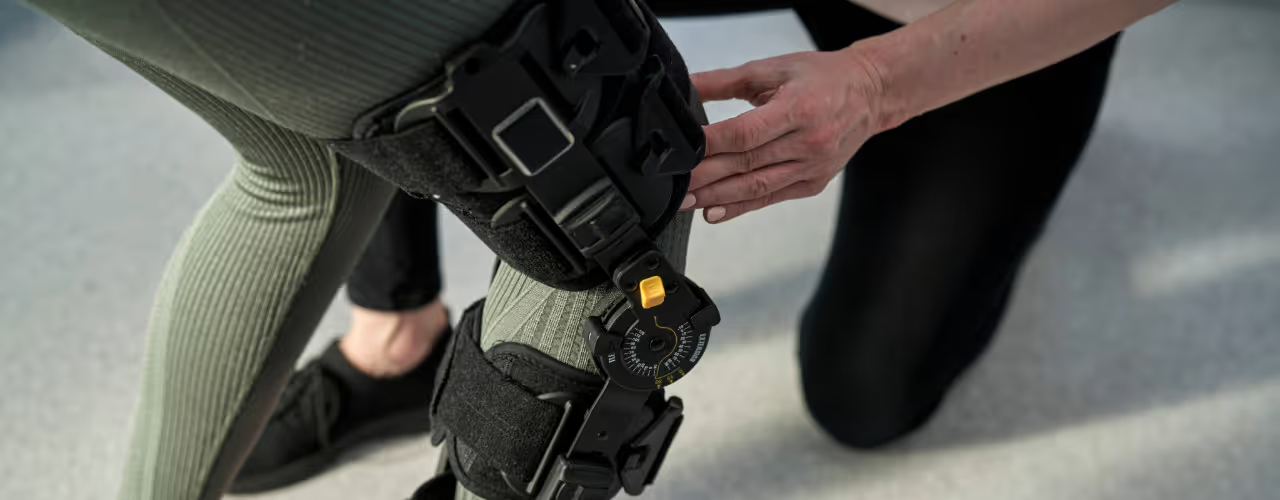
Bracing and Supportive Devices
- Depending on the injury severity and the rehabilitation stage, physical therapists may recommend braces or supportive devices to protect the knee joint and provide stability during weight-bearing activities. Customized braces can help control excessive movement and reduce the risk of further damage.
Functional Training
- Functional training focuses on restoring the patient's ability to perform everyday activities and sports-specific movements safely and effectively. This training may include agility drills, sport-specific exercises, and simulated game scenarios to prepare the individual for a return to their pre-injury activity levels.
By combining these treatment methods in a structured and progressive rehabilitation program, physical therapy can effectively guide individuals through the recovery process, optimize outcomes, and facilitate a safe return to activity following an ACL injury.
Empowering Your Journey to ACL Recovery
Ready to take the next step towards ACL recovery? Contact our team at Resilient PT and Performance in Woodbury, MN to learn more about how physical therapy can help you reclaim your strength, mobility, and confidence.