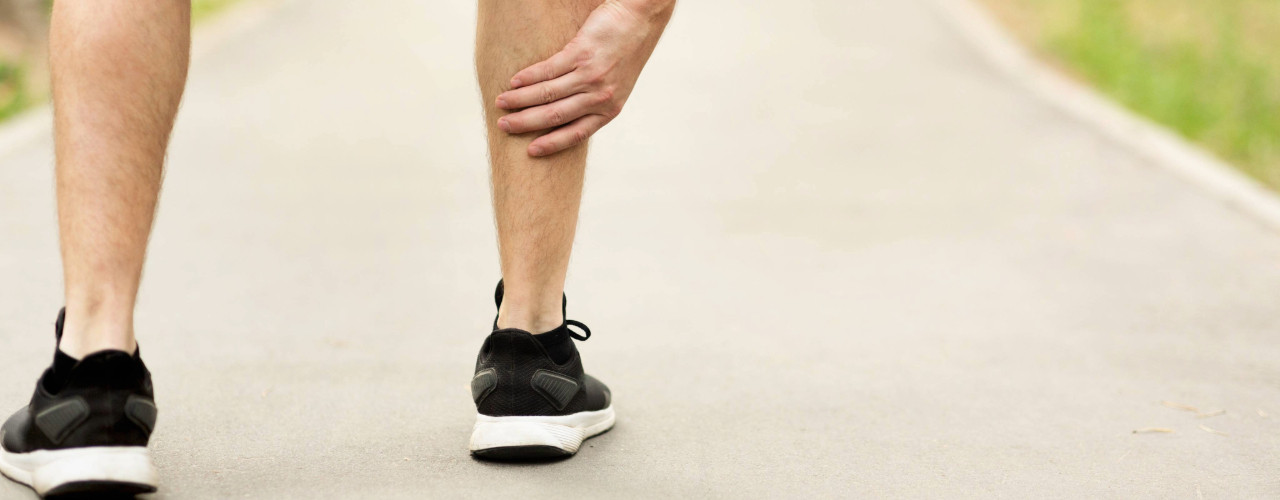
Are you sidelined by a sports injury? According to research, an estimated 8.6 million sports injuries occur annually in the United States alone. Don't let your sports injury keep you out of the game for long! Contact us at Resilient PT and Performance for sports injury rehabilitation techniques, so you can bounce back stronger than ever.
Understanding the Causes and Symptoms of Sports Injuries
Sports injuries can happen to anyone, from amateur athletes to seasoned pros. But what exactly are they? A sports injury is damage to the musculoskeletal system or other tissues due to physical activity. Sports injuries vary widely in their presentation and severity but often share common symptoms and causes.
Symptoms of a Sports Injury
Pain
- Pain is one of the most common symptoms of a sports injury. It can range from mild discomfort to severe, debilitating pain, depending on the nature and severity of the injury.
Swelling
- Swelling, or inflammation, is another hallmark symptom of sports injuries. It occurs due to tissue damage and the body's natural response to injury.
Reduced Range of Motion
- Injured joints or muscles may experience a limited range of motion, making it difficult or painful to move the affected area fully.
Bruising
- Bruising, or skin discoloration, may occur due to bleeding beneath the skin's surface due to trauma or injury.
Weakness
- Muscle weakness often accompanies sports injuries, particularly those involving strains or sprains. Weakness may be localized to the injured area or affect the entire limb.
Causes
Overuse
- Overuse injuries occur when repetitive stress is placed on a particular joint or muscle over time, leading to tissue damage and inflammation. Common examples include tendinitis and stress fractures.
Trauma
- Acute injuries, such as fractures, dislocations, and ligament tears, result from sudden impacts, falls, or collisions during sports activities.
Poor Technique
- Incorrect form or technique can increase the risk of injury during sports activities. Improper body mechanics can strain joints and muscles, leading to strains, sprains, and other injuries.
Inadequate Warm-up
- Failing to properly warm up before engaging in physical activity can leave muscles cold and stiff, making them more susceptible to injury.
Muscle Imbalance
- Muscle imbalances, where individual muscle groups are stronger or weaker than others, can increase the risk of injury by placing uneven stress on joints and tissues.
By understanding the symptoms and causes of sports injuries, individuals can take proactive steps to prevent injury and seek appropriate treatment when necessary.
How Physical Therapy Revolutionizes Sports Injury Rehabilitation
Physical therapy is crucial in sports injury rehabilitation, offering a variety of treatment methods to promote healing, restore function, and prevent future injuries.
Treatment Methods for Sports Injury Rehabilitation
Manual Therapy
- Manual therapy techniques, such as joint mobilization and manipulation, are performed by skilled physical therapists to improve joint mobility, reduce pain, and restore normal tissue function. Manual therapy can help alleviate muscle tightness, reduce scar tissue formation, and improve overall flexibility and range of motion.
Therapeutic Exercise
- Therapeutic exercises are tailored to the individual's specific injury and rehabilitation goals. They may include stretching, strengthening, and proprioception exercises that help to improve muscle strength, flexibility, and balance. Therapeutic exercises help restore strength and function to injured muscles and joints, promote tissue healing, and prevent muscle atrophy and weakness during recovery.
Bracing and Taping
- Bracing and taping techniques support injured joints, stabilize unstable areas, and prevent further injury during physical activity. Different types of braces and tapes may be utilized depending on the nature and severity of the injury. Bracing and taping techniques help protect vulnerable structures, promote proper biomechanics, and provide proprioceptive feedback, enhancing joint stability and reducing the risk of injury.
Functional Training
- Functional training focuses on activities and movements that mimic real-life or sports-specific tasks. It aims to improve neuromuscular control, coordination, and movement patterns to facilitate a safe return to sports or activities of daily living. Functional training helps bridge the gap between rehabilitation exercises and sports-specific movements, preparing individuals to resume their desired activities.
Education and Home Exercise Program
- Education is crucial in sports injury rehabilitation, empowering individuals to adhere to treatment protocols and adopt injury prevention strategies. Physical therapists also provide personalized home exercise programs to reinforce in-clinic interventions and promote long-term recovery.
Empowering Your Comeback: Taking Charge of Your Athletic Future
Don't let a sports injury keep you on the sidelines. Whether you're dealing with a sprain, strain, or fracture, physical therapy offers a path to recovery and resilience. By addressing the underlying issues and empowering you with the tools to prevent future injuries, physical therapy sets you up for long-term success in your athletic pursuits.
Ready to take the first step towards healing? Contact our team at Resilient PT and Performance in Woodbury, MN today to learn more about sports injury rehabilitation and discover if it's the treatment for you.