Are you struggling to get back to your favorite sport after an injury? If so, you're not alone. Sports injuries can be debilitating, affecting not only your physical health but also your mental well-being. Approximately 8.6 million sports and recreation-related injuries occur annually in the United States. But here's the good news – physical therapy can play a crucial role in your recovery process and help you return to the game more powerful than ever. Return-to-sport with physical therapy is not only possible but can also enhance your performance and prevent future injuries.
Ready to get started with physical therapy for sports injury? Call our team at [site-name] in Woodbury, MN today to learn more!
Understanding Sports Injury: Unveiling Causes and Symptoms
Sports injuries can vary widely in their symptoms and causes, impacting athletes of all ages and experience levels. Recognizing the signs and understanding the underlying causes are essential in effectively managing and preventing sports-related injuries.
Symptoms of a Sports Injury
Pain
- Pain is one of the most common symptoms experienced with sports injuries. It can range from mild discomfort to severe, debilitating pain, depending on the nature and severity of the injury.
Swelling
- Swelling around the injured area is another prevalent symptom of sports injuries. It occurs due to inflammation and the body's natural response to tissue damage.
Limited Range of Motion
- Sports injuries often lead to stiffness and restricted movement in the affected joint or muscle. Athletes may find it challenging to perform specific movements or activities they could previously do without difficulty.
Bruising
- Bruising or discoloration of the skin may develop following a sports injury, especially in cases involving trauma or impact on the body.
Instability
- Some sports injuries, such as ligament tears or dislocations, can cause feelings of instability or looseness in the affected joint. Athletes may experience a sensation of giving way or buckling under stress.
Weakness
- Muscle weakness is a common symptom associated with sports injuries, particularly those involving strains or sprains. Athletes may notice a decrease in strength and power in the injured area.
Sports Injury Causes
Overuse
- Overuse injuries occur when repetitive stress is placed on a specific part of the body without sufficient rest and recovery time. Common examples include stress fractures, tendonitis, and runner's knee.
Trauma
- Traumatic injuries result from sudden, forceful impacts or collisions during sports activities. These injuries can range from minor bruises and sprains to more severe fractures and dislocations.
Poor Technique
- Improper form or technique while performing sports activities can increase the risk of injury. Athletes who fail to use proper body mechanics may strain muscles, joints, and ligaments, leading to injury over time.
Muscle Imbalances
- Muscle imbalances occur when certain muscle groups are stronger or weaker than their opposing counterparts. These imbalances can affect joint stability and movement patterns, increasing the likelihood of injury.
Inadequate Warm-Up
- Failing to warm up properly before engaging in physical activity can leave muscles tight and vulnerable to injury. A thorough warm-up routine helps increase blood flow, improve flexibility, and prepare the body for exercise.
Poor Equipment
- Using ill-fitting or worn-out sports equipment can contribute to sports injuries. Shoes with inadequate support, improper protective gear, or improperly maintained equipment can increase the risk of accidents and injuries on the field or court.
Guiding Your Recovery: Return-to-Sport with Physical Therapy
Physical therapy plays a crucial role in rehabilitation of athletes recovering from sports injuries. Through personalized treatment plans and targeted interventions, physical therapists help athletes regain strength, mobility, and function, allowing them to return to their sport safely and confidently.
Treatment Methods Utilized In Physical Therapy
Manual Therapy
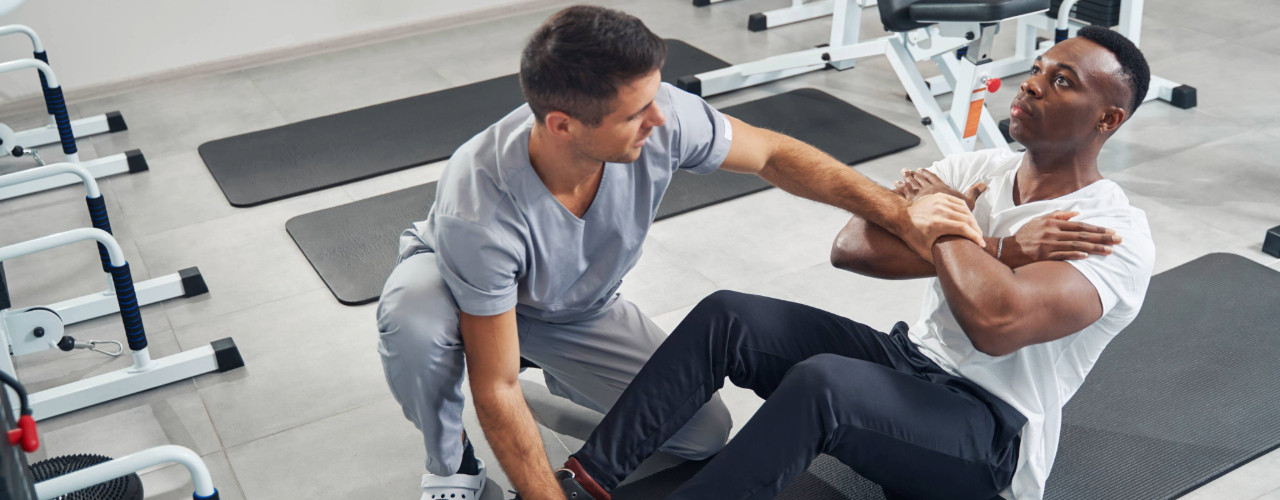
- Manual therapy techniques, such as joint mobilization and soft tissue manipulation, help alleviate pain, improve flexibility, and restore joint mobility. Physical therapists apply hands-on techniques to address muscle tightness, joint stiffness, and restricted movement, facilitating healing.
Therapeutic Exercises
- Therapeutic exercises help to improve strength, flexibility, and endurance in injured muscles and joints. These exercises may include stretching, strengthening, balance training, and functional movements tailored to the athlete's needs and injury. By gradually increasing the intensity and complexity of exercises, athletes can rebuild muscle strength and regain optimal function.
Functional Training
- Functional training aims to simulate sports-specific movements and activities to prepare athletes for a safe return to their sport. Physical therapists develop customized training programs that replicate the demands of the athlete's sport, focusing on improving strength, agility, power, and proprioception. Functional training helps athletes regain confidence in their abilities and adapt to the physical demands of their sport.
Education and Injury Prevention
- Education plays a vital role in sports injury rehabilitation, empowering athletes with knowledge about their condition, treatment options, and strategies for injury prevention. Physical therapists educate athletes on proper warm-up techniques, biomechanics, ergonomics, and training principles to reduce the risk of future injuries and optimize performance.
Gradual Return-to-Sport Protocol
- Physical therapists work closely with athletes to develop a structured return-to-sport protocol based on individual progress, functional milestones, and the specific requirements of their sport. This protocol involves gradually reintroducing sports-specific activities, monitoring for any signs of pain or dysfunction, and adjusting the rehabilitation program to ensure a safe and successful return to play.
Incorporating a comprehensive approach to return-to-sport with physical therapy helps athletes overcome obstacles, maximize their recovery, and achieve their goals.
Achieving Your Athletic Goals: Take the Next Step with Physical Therapy
As you embark on your journey to recovery, remember that you're not alone. Seeking physical therapy for your sports injury can be a game-changer, helping you overcome obstacles and reach your full potential. Don't let pain and discomfort hold you back any longer – take the first step towards a stronger, healthier you.
Call our team at [site-name] in Woodbury, MN to learn more about return-to-sport with physical therapy. Learn if this treatment is for you.